
Glide, Carve, Arrive: Grand-Touring EV Dynamics Reimagined
We’re exploring adaptive suspension and steering calibration modes tailored to grand-touring EVs, showing how intelligent damping, variable steering ratios, and route-aware logic transform long distances into poised, energy-smart journeys. From alpine passes to arrow-straight deserts, discover how nuanced software and hardware collaborate to preserve range, reduce fatigue, and deliver that serene, confidence-inspiring flow enthusiasts expect on truly memorable drives.


The Comfort–Control Equation
Grand-touring asks for grace over thousands of kilometers, yet still demands precision when the road tightens unexpectedly. Striking that balance means designing damping curves that absorb chatter without losing composure, and steering assistance that reassures without isolating. With EV mass and instant torque, calibrators must orchestrate suspension, bushings, and software so the car breathes with the road while keeping passengers relaxed and drivers happily engaged.
Predictive Damping on Real Roads
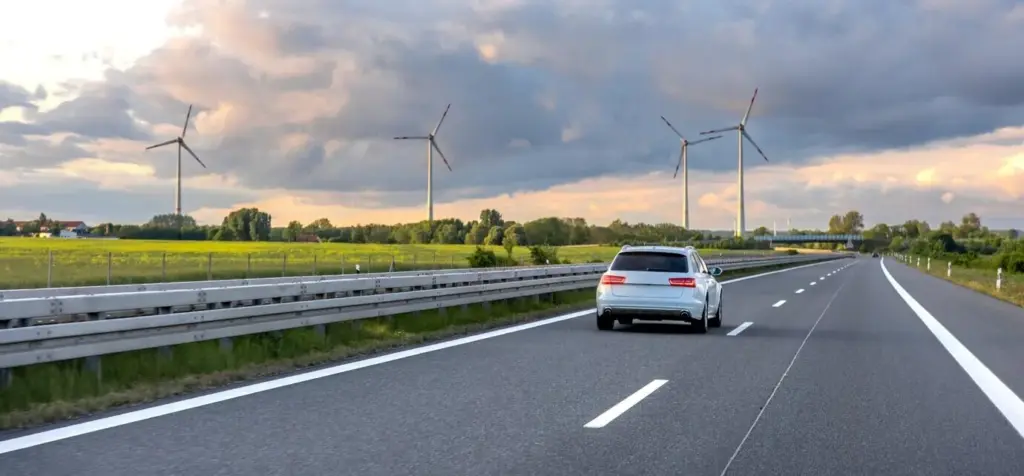
Camera and radar previews, paired with road-class data, let adaptive dampers pre-load the chassis before imperfections arrive. The magic lies in the millisecond timing: soften for sharp-edged bumps, then restore control before the next crest. Drivers feel fewer surprises, and steering signals remain clean, enabling light, accurate hands that reduce fatigue when hours stretch. It feels like foresight, not merely faster reaction.

Taming Mass Without Killing Magic
Battery mass demands thoughtful spring rates, progressive bump stops, and bushings that filter harshness without smearing feedback. Add 48-volt active roll control to flatten sweepers, but keep cross-coupled damping approachable on imperfect pavement. The goal is buoyant calm, not numbness. On a rain-darkened coastal highway, you should sense the camber and crown, yet track straight, unflustered, while passengers sip coffee without bracing.

Steering That Breathes With Speed
Light, intuitive effort around town; reassuring, centered authority on the autobahn. Variable steering ratio and carefully shaped assist curves make that possible. On-center stability reduces constant corrections, while a gentle ramp into cornering effort builds trust without strain. Combine subtle rear-steer at medium speeds for agility, then dial it out for high-speed serenity. The result is a wheel that speaks clearly, never shouts.
Modes That Matter on Long Horizons
Drive modes should be more than labels; they should genuinely reshape how the car carries itself mile after mile. In a grand-touring EV, calibrated differences in damping, steering weight, rear-steer authority, and powertrain blending can transform a route’s character. Subtle distinctions reduce cognitive load, improve comfort, and sustain confidence when weather, traffic, and road texture shift far from the city’s predictable rhythm.

Integration With Electric Powertrains
Regen Meets Damping
Strong regen can pitch the nose down; adaptive damping counters by adding composure during deceleration, then relaxing as speed settles. Smooth blends between motor regen and friction brakes prevent step changes that unsettle passengers. The payoff appears when traffic dictates frequent lifts: body motions remain tidy, the wheel stays steady, and one-pedal finesse actually becomes a contributor to comfort, not just efficiency bragging rights.
Torque Vectoring as a Gentle Hand
On a sweeping mountain road, torque vectoring can rotate the car subtly, letting engineers relax rear-steer aggression and keep damping kinder. Yaw moments arrive progressively, not abruptly, so steering inputs remain small and predictable. The result is a feeling of planted grace: less steering lock, fewer mid-corner corrections, better energy use, and an almost uncanny calm that passengers notice even if they cannot name it.
Thermal Wisdom on Mountain Descents
Sustained descents teach humility. As components warm, regen profiles shift and friction brakes shoulder more load. Smart calibrations anticipate temperature rise, preserve pedal feel, and adapt damping to prevent fade-induced instability. Drivers sense the car managing itself thoughtfully, keeping stability control unobtrusive and steering confident. That quiet competence turns what could be white-knuckle into smooth, almost meditative gliding from summit to valley floor.
Human Factors and Fatigue
Trust begins at straight ahead. A gentle, rising centering force prevents drift without fighting you. Micro-wind corrections should be met with proportional assistance, never tug-of-war. On grooved pavement, filters prioritize directional stability over overzealous road feel. Hours later, you realize your shoulders are loose, your lane discipline has felt effortless, and your passengers have long since stopped looking up during gusty crosswind moments.
EV silence spotlights chassis tuning; the absence of engine masking makes poor damping painfully obvious. Targeted bushings, frequency-selective dampers, and tire construction work as a choir, not soloists. The aim is controlled, low-amplitude motion and softened edges, not anesthetized numbness. Measure success by conversation volume and the way laughter carries at 120 km/h. If stories flow easily, the tuning is probably right.
Real trips involve people and bags. Load-leveling air suspension maintains geometry, headlight aim, and aero balance even with a full trunk and rear seats occupied. Steering calibration compensates for altered rear weight, while damping trims squat over undulations. The cabin remains calm, braking distances stay consistent, and confidence never wavers when you pull back onto the highway after that spontaneous detour to a hillside bakery.

Data, Maps, and Over-the-Air Tuning
Modern grand-touring evolves after delivery. Map-aware damping predicts rough segments, geofenced steering updates refine on-center stability, and driver profiles learn preferred efforts and body control levels. Over-the-air improvements can unlock quieter rides and better range without a wrench turning. Invite updates, test them on familiar roads, and share impressions so calibrators can nudge the experience closer to your ideal, trip after trip.
Tires, Wheels, and the Unsung Hardware

Rubber That Matches the Mission
Grand-touring favors quiet compounds with stable heat behavior, generous wet grip, and sidewalls that support calm transitions. Wider isn’t always better; rolling resistance and tramlining can increase fatigue. On a weeklong loop through changing climates, consistent behavior matters more than ultimate lateral numbers. Rotate diligently, track pressures, and listen for tread harmonics that creep into the cabin. The right set makes silence feel luxurious.

Wheels, Brakes, and Mass You Feel
Light wheels reduce unsprung mass, letting dampers work delicately over chatter. But durability and aero drag also count at touring speeds. Brake hardware affects unsprung weight and pedal feel; carefully chosen rotors and calipers maintain consistency on long descents. When hardware and software align, ride motions shrink, steering textures clarify, and the car settles into that poised glide that encourages an extra scenic detour.

Pressures, Loads, and Seasons
TPMS readouts are not mere warnings; they are tuning levers. Seasonal temperature swings change pressures, altering contact patch shape and ride height. On heavy travel days, adjust for load to preserve geometry and comfort. Smart systems can suggest values, but drivers who verify before dawn departures enjoy steadier steering and fewer range surprises. This small ritual pays back across hours of relaxed, predictable progress.